Inside an Integrated Pest Management Inspection: What to Expect from a Modern Pest Audit
Discover how a modern Integrated Pest Management (IPM) inspection uncovers the root causes of pest activity through structural audits, habitat assessments, and targeted monitoring.
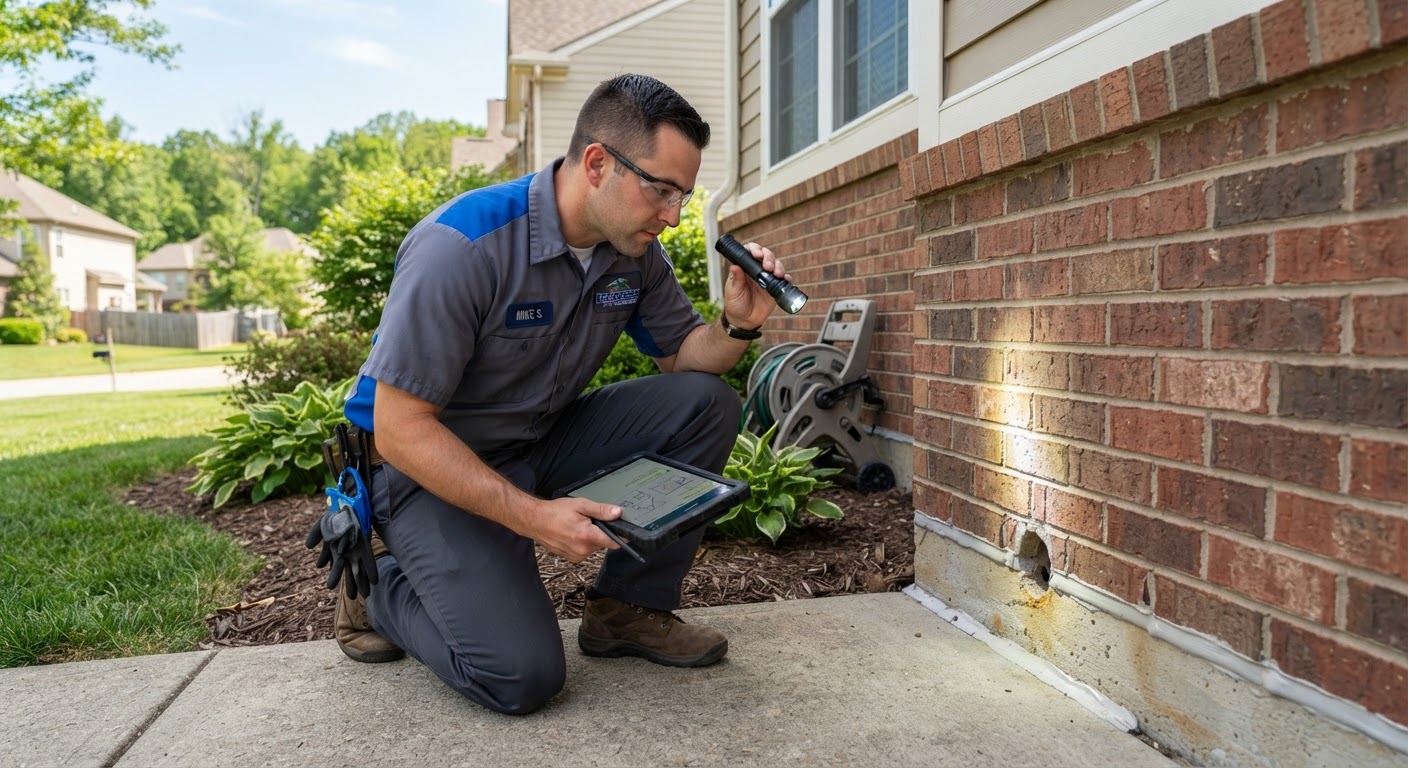
For decades, traditional residential pest management often followed a routine approach: a technician arrived on a predetermined schedule, applied broad-spectrum liquid barriers around baseboards or the home perimeter, and departed until the next visit. Modern pest control, however, has evolved significantly. Today, the industry standard for effective, responsible, and enduring pest reduction is Integrated Pest Management (IPM).
Rather than relying solely on repetitive chemical applications, an IPM approach treats a property as a dynamic ecosystem. At the very center of this philosophy is the comprehensive pest inspection, frequently referred to as an environmental or pest audit. Understanding how a professional IPM inspection works provides valuable insight into why pests target certain structures and how long-term prevention is achieved.
The Core Philosophy of an IPM Inspection
Integrated Pest Management is an evidence-based framework that emphasizes pest prevention, accurate biological identification, and environmental modification. When a technician conducts an IPM audit, their primary objective is not simply to look for active pests to treat immediately. Instead, they work systematically to answer three fundamental questions:
- Which specific species are present or likely to gain access?
- What environmental conditions on the property are attracting them or sustaining their lifecycle?
- What physical vulnerabilities in the structure are allowing them to enter or move undetected?
By shifting focus from symptom suppression to root-cause identification, an IPM inspection lays the groundwork for solutions that solve infestations at their source.
Phase 1: Exterior Perimeter and Structural Envelope
Pest activity indoors almost invariably begins outside. Consequently, a thorough IPM inspection begins along the exterior boundary of the structure, moving from the soil line upward toward the roofline. In areas like San Antonio, where shifting clay soils and fluctuating weather patterns stress building materials, physical entry points develop naturally over time.
Foundation and Weep Holes
Inspectors examine where the slab or pier-and-beam foundation meets the exterior siding or brick veneer. On brick structures, open weep holes are designed to allow ventilation and moisture drainage, but they also serve as open corridors for insects, scorpions, and rodents. A technician checks whether these openings remain unobstructed for airflow while evaluating whether exclusion screening is needed to block pest intrusion.
Expansion Joints and Utility Penetrations
Homes expand and contract under intense seasonal heat, causing caulking around windows, doors, and expansion joints to dry out, split, or recede. Additionally, service lines for air conditioning refrigerant, plumbing, electrical conduit, and gas lines frequently pass through exterior walls. The IPM inspector carefully assesses the annular space around these pipes, as even a quarter-inch void can permit entry to mice, roaches, or spiders.
Rooflines, Fascia, and Eaves
Looking upward, the inspector evaluates roof junctions, soffit vents, and gutter systems. Tree limbs overhanging the roof act as direct transit bridges for pests like roof rats and tree-dwelling ants. Damaged fascia boards, unmeshed attic vents, or gaps along the drip edge can compromise the entire upper envelope of the home.
Phase 2: Landscape and Microclimate Assessment
Pests do not choose nesting sites at random; they seek specific microclimates that provide moisture, food, and shelter from predators and extreme heat. During the landscape assessment portion of an IPM audit, the technician identifies outdoor zones that foster pest proliferation.
- Moisture Gradients: Prolonged dampness attracts everything from subterranean termites to silverfish and roaches. The inspector checks outdoor hose bibs, air conditioning condensation drain lines, sprinkler head aim, and drainage slopes to ensure water is directed safely away from the foundation.
- Ground Cover and Mulch: Deep wood mulch piled against the foundation retains moisture and creates an ideal burrowing layer for arthropods. The inspector evaluates the depth, composition, and clearance of landscape beds bordering the foundation.
- Xeriscaping and Rock Beds: While low-water landscaping reduces moisture-loving pests, stacked stones, flat pavers, and decorative rock borders can create cool, protected voids where arachnids and crawling insects rest during the daytime heat.
- Refuse and Outdoor Storage: Firewood piles stacked directly against exterior walls, open compost bins, and uncovered trash receptacles provide abundant harborage and foraging materials.
Phase 3: Interior Harborage and Sensitive Zone Auditing
Once the exterior perimeter has been documented, the audit transitions inside. In an IPM program, interior treatments are rarely applied indiscriminately across broad surfaces. Instead, interior work relies heavily on pinpointing localized micro-habitats where pests hide, nest, and feed.
Plumbing Chases and Wet Walls
Bathrooms, kitchens, and laundry rooms are primary pest targets because of ready access to water. The inspector examines under-sink cabinets, inspecting the pipe penetrations through drywall or cabinetry. Loose escutcheon plates often conceal significant wall voids that allow pests to travel freely between rooms without being seen.
Kitchen Appliances and Food Storage
Warm appliance motors—such as those found beneath refrigerators, dishwashers, and ovens—provide an optimal temperature for pest nesting. Inspectors check behind and beneath these units for signs of food debris, grease accumulation, or insect droppings. Food pantries are inspected to ensure dry goods are adequately secured against pantry pests like meal moths or grain beetles.
Attics, Crawlspaces, and Garages
These transitional zones often harbor pests long before they appear in main living areas. The inspector looks for disturbed insulation, rub marks along rafters, nesting material, and droppings. Proper ventilation in attics and subfloor crawlspaces is also audited, as excessive humidity encourages wood-destroying organisms and fungus-feeding insects.
Phase 4: Pest Identification and Action Thresholds
A central tenet of Integrated Pest Management is that a control measure must be justified by clear biological evidence. This involves two critical components: proper species identification and establishing action thresholds.
Different pest species require vastly different approaches. For example, treating a structural infestation requires identifying whether an ant is an acrobat ant, carpenter ant, or rover ant, as each species exhibits unique nesting preferences, foraging trails, and bait acceptances. Misidentification leads to misapplied treatments, wasted resources, and prolonged infestations.
Furthermore, IPM utilizes the concept of an action threshold: the point at which pest activity becomes an aesthetic, health, or structural issue that requires intervention. Finding a single accidental outdoor beetle near a door during peak summer may warrant only mechanical exclusion, whereas detecting signs of reproducing indoor pests demands an active management protocol.
Phase 5: The Comprehensive IPM Action Plan
Upon completing the inspection, the technician synthesizes their findings into an actionable plan tailored specifically to the property. This strategy incorporates multiple management tactics rather than relying on a single method:
- Mechanical Exclusion: Sealing gaps with copper mesh, silicone sealant, expanding foam, or weatherstripping to physically bar entry.
- Cultural and Physical Controls: Advising the homeowner on habitat adjustments, such as pulling mulch back six inches from the foundation, trimming branches away from roof eaves, or repairing dripping spigots.
- Targeted Interventions: If chemical applications are deemed necessary, they are precisely targeted using low-risk formulations, such as targeted gel baits placed in hidden wall voids, structural crack-and-crevice treatments, or insect growth regulators that disrupt reproductive cycles without widespread exposure.
- Ongoing Monitoring: Placing discrete monitoring traps in high-risk harborage areas to track pest movement, gauge population changes over time, and confirm that the corrective actions are working.
Protecting Your Property with Smarter Pest Management
Modern pest management is an analytical discipline rooted in building science and entomology. An Integrated Pest Management inspection replaces guesswork with careful observation, identifying the vulnerable points in your property before small pest pressures turn into major structural or sanitation concerns.
For professional pest audits and comprehensive management plans designed for San Antonio properties, contact Golden Field Pest Control to schedule a thorough inspection.
Need help from Golden Field Pest Control?
Contact our team to discuss your service needs in San Antonio and surrounding service areas.